
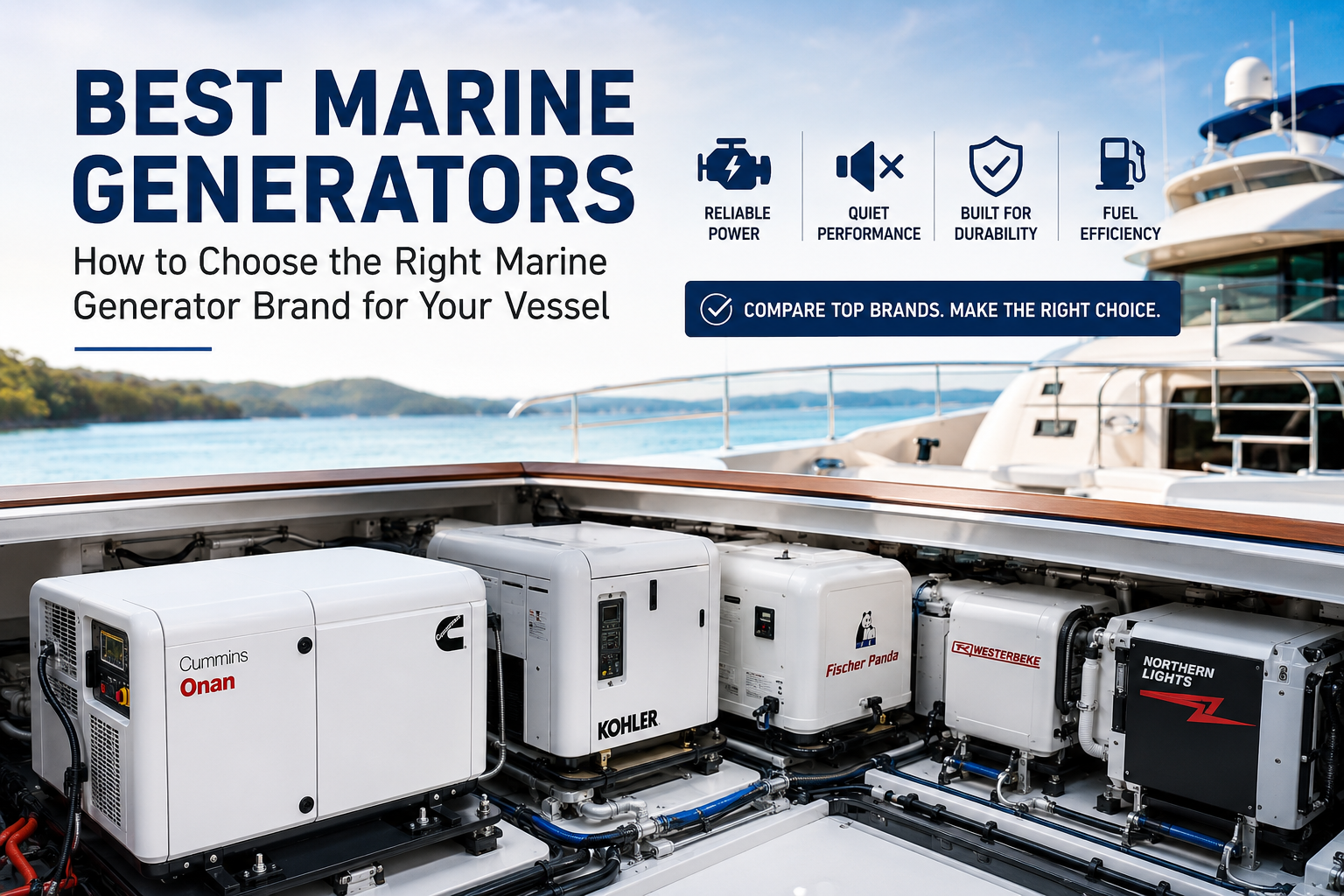
When you’re miles offshore or anchored in a quiet bay, your marine generator becomes one of the hardest-working pieces of equipment on board. It powers everything from air conditioning, refrigeration, lighting, navigation electronics, battery chargers, water makers, and galley appliances to entertainment systems. Without dependable onboard power, comfort, convenience, and even safety can quickly become compromised.
Choosing the best marine generators for sale isn’t simply about selecting the biggest unit or the most recognizable brand. The right generator depends on your vessel, electrical demand, cruising style, available installation space, fuel type, and long-term maintenance expectations. A generator that’s perfect for a 40-foot sailing catamaran may not be the ideal choice for a commercial fishing vessel or a luxury motor yacht.
At Generator Plus, we help yacht owners, commercial operators, shipyards, marine engineers, and boat builders compare leading marine generator brands and identify solutions that suit their operational requirements. Rather than recommending one manufacturer for every application, we believe the best marine generator is the one that’s correctly matched to your vessel and how you use it.
In this guide, you’ll learn how to compare today’s leading marine generator brands, understand the key factors that influence performance and reliability, and choose a generator that delivers dependable onboard power for years to come.
Why Every Boat Needs a Reliable Marine Generator
Modern boats depend on electricity more than ever before. While shore power is convenient in marinas, it’s unavailable once you’re cruising offshore, anchored in a secluded bay, or operating commercially. A marine generator provides independent onboard electricity, allowing essential systems to operate wherever your journey takes you.
Typical equipment powered by a marine generator includes:
- Air conditioning and heating systems
- Refrigerators and freezers
- Battery chargers and inverter systems
- Navigation electronics
- Radar and communication equipment
- Water makers
- Electric cooking appliances
- Interior and exterior lighting
- Entertainment systems
- Pumps and auxiliary equipment
Using your propulsion engines to generate electrical power is generally less efficient, increases engine hours, and creates additional fuel consumption, vibration, and noise. A dedicated marine generator is specifically engineered to deliver continuous electrical power more efficiently while reducing wear on the main engines.
For commercial operators, reliable electrical power is even more critical. Fishing vessels, ferries, workboats, and offshore support vessels often rely on marine generators to operate mission-critical equipment throughout the working day.
What Makes a Great Marine Generator?
One of the most common misconceptions among boat owners is that one manufacturer builds the “best” marine generator for every application. In reality, every leading generator brand has strengths that make it better suited to particular vessels and operating conditions.
When comparing marine generators, consider the complete ownership experience rather than focusing solely on purchase price.
Key Factors to Consider
| Buying Factor | Why It Matters |
|---|---|
| Reliability | Consistent performance, long service life, and fewer unexpected breakdowns. |
| Generator Size | Ensures sufficient power without overloading or excessive underloading. |
| Fuel Type | Diesel and gasoline generators offer different operating costs and applications. |
| Noise & Vibration | Important for onboard comfort, especially on cruising yachts. |
| Serviceability | Easy access to parts, maintenance, and technical support reduces downtime. |
| Installation Requirements | Available engine room space, cooling, exhaust routing, and electrical integration all influence generator selection. |
Reliability
Reliability should always be your highest priority. A quality marine generator should start consistently, handle varying electrical loads, and provide dependable performance over many years when serviced according to the manufacturer’s recommendations.
Many premium diesel marine generators are capable of exceeding 15,000 operating hours, with some commercial installations reaching well beyond 30,000 hours before requiring a major overhaul.
Generator Size
Selecting the correct generator size is just as important as choosing the right brand.
An undersized generator may overload during peak demand, while an oversized generator may spend too much time operating at very light loads, reducing efficiency and potentially increasing maintenance requirements.
Fuel Type
Most marine generators are available in either diesel or gasoline configurations.
For vessels powered by diesel propulsion engines, diesel generators are generally preferred because they:
- Use the existing onboard fuel supply
- Offer excellent fuel efficiency
- Deliver strong low-speed torque
- Are designed for extended operating hours
Gasoline generators remain popular on boats equipped with gasoline propulsion engines, as they avoid the need for a separate fuel system.
Noise & Vibration
Quiet operation has become an increasingly important consideration, particularly for cruising yachts and liveaboard vessels.
Modern sound-shielded generators incorporate improved insulation, vibration isolation, and engine mounts to significantly reduce onboard noise.
Serviceability
Routine maintenance is inevitable. Before purchasing a generator, consider:
- Availability of replacement parts
- Dealer and service network
- Ease of routine maintenance
- Accessibility after installation
- Manufacturer support
A slightly higher purchase price can often result in lower long-term ownership costs if servicing is straightforward and parts are readily available.
How to Choose the Right Marine Generator
Rather than asking, “Which generator brand is the best?” ask, “Which generator is best for my boat?”
Start by considering four key questions.
1. How Much Electrical Power Do You Need?
Calculate the total electrical load of the equipment you expect to operate simultaneously, including air conditioning, refrigeration, battery charging, navigation electronics, lighting, and galley appliances.
Most marine professionals recommend allowing approximately 20% additional capacity to accommodate starting loads and future upgrades.
2. How Will You Use Your Boat?
Your cruising style influences the type of generator that’s most suitable.
| Boating Style | Typical Priority |
|---|---|
| Weekend Cruising | Compact size and quiet operation |
| Liveaboard Cruising | Fuel efficiency and long operating hours |
| Sailing Catamarans | Compact installation and low weight |
| Luxury Motor Yachts | Quiet operation and premium comfort |
| Commercial Vessels | Durability, reliability, and ease of maintenance |
3. Think About Future Power Requirements
Many boat owners later install additional electrical equipment such as water makers, larger battery banks, induction cooktops, stabilizers, or extra air-conditioning units. Selecting a generator with modest expansion capacity can help avoid costly upgrades later.
4. Consider Total Ownership Costs
The purchase price is only one part of the investment.
Also evaluate:
- Fuel consumption
- Maintenance intervals
- Oil and filter costs
- Replacement parts availability
- Warranty coverage
- Technical support
- Expected service life
Marine Generator Sizing Guide
Although every vessel is unique, the following table provides a useful starting point.
| Vessel Type | Recommended Generator Range |
|---|---|
| Small Cruising Sailboats | 3–5 kW |
| Sailing Catamarans | 5–9 kW |
| Express Cruisers | 5–8 kW |
| Motor Yachts (40–60 ft) | 9–20 kW |
| Large Luxury Yachts | 20–40+ kW |
| Commercial Fishing Vessels | Application Specific |
| Offshore Workboats | Application Specific |
Generator selection should always be based on a proper electrical load assessment rather than vessel length alone.
At Generator Plus, we recommend evaluating your vessel’s electrical demand, available installation space, operating profile, and future expansion plans before selecting a generator.
Frequently Asked Questions
What size marine generator do I need?
The correct size depends on your vessel’s total electrical load rather than its length. Calculating the combined running and starting power requirements of your onboard equipment is the most reliable method of selecting the appropriate generator.
Is a diesel marine generator better than a gasoline generator?
For most diesel-powered vessels, a diesel generator is generally the preferred option because it offers excellent fuel efficiency, long service life, and uses the same fuel supply as the propulsion engines. Gasoline generators remain a practical choice for many gasoline-powered recreational boats.
Can I install a larger generator than I currently need?
While additional capacity can accommodate future electrical upgrades, significantly oversizing a generator may reduce operating efficiency. Selecting a generator that closely matches your expected electrical demand is usually the best long-term solution.
In the next section, we’ll compare the leading marine generator brands, examine the advantages of diesel and gasoline models, explain the differences between 1800 RPM and 3600 RPM generators, and help you determine which generator is best suited to your vessel.
Comparing the Best Marine Generator Brands
One of the questions we hear most often at Generator Plus is, “Which marine generator brand is the best?” While it’s a reasonable question, there isn’t a single answer that fits every vessel.
The best marine generator for a 35-foot sailing yacht won’t necessarily be the best choice for a 70-foot motor yacht, a commercial fishing vessel, or an offshore support boat. Every manufacturer has its own strengths, whether it’s fuel efficiency, compact design, quiet operation, long service life, or ease of maintenance.
Below is an overview of some of the world’s leading marine generator brands and the types of vessels they are best suited for.
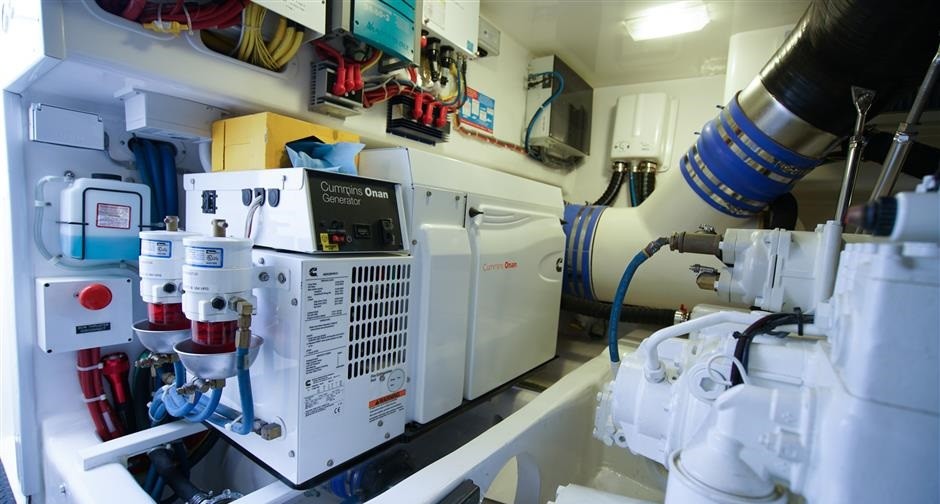
Cummins Onan Marine Generators
Cummins Onan has earned a strong reputation for producing dependable marine generators for both recreational and commercial applications. Their generators are widely used on motor yachts, sportfishing boats, commercial vessels, and offshore applications where long operating hours and consistent performance are essential.
Many models feature digital controls, sound shields, and advanced engine management systems that deliver stable electrical output while minimizing noise and vibration.
Best For
- Luxury motor yachts
- Commercial vessels
- Sportfishing boats
- Offshore applications
Advantages
- Excellent long-term reliability
- Worldwide service network
- Strong parts availability
- Wide power range
- Proven diesel engine platforms
Considerations
Cummins Onan generators often represent a higher initial investment, but many owners consider the long-term reliability and extensive global support network to justify the additional cost.
Kohler Marine Generators
Kohler has been a trusted name in marine power for decades. Their generators are known for quiet operation, smooth performance, and modern digital controls, making them particularly popular among recreational boat owners.
Many Kohler generators are designed with compact footprints that simplify installation while maintaining excellent accessibility for routine servicing.
Best For
- Cruising yachts
- Express cruisers
- Family boats
- Liveaboard vessels
Advantages
- Quiet operation
- User-friendly controls
- Compact installation
- Good worldwide dealer support
- Reliable performance
Considerations
Kohler offers an excellent balance between performance, comfort, and value, making it one of the most popular choices for recreational boating.
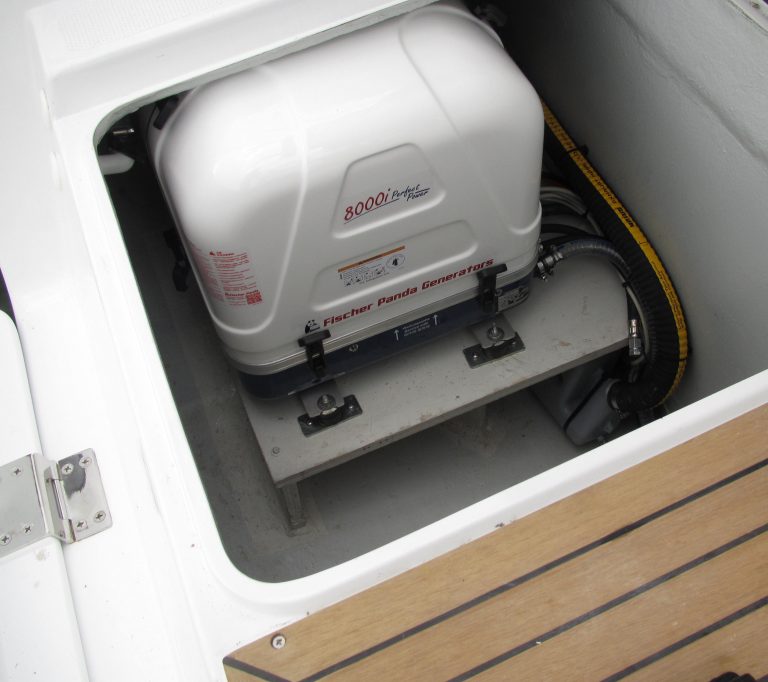
Fischer Panda Marine Generators
If installation space is limited, Fischer Panda is often one of the first brands considered.
Their generators are recognized for their compact design and advanced sound insulation, making them particularly attractive for sailing yachts, catamarans, and premium cruising vessels where available engine room space is at a premium.
Many models use freshwater cooling systems and highly effective sound shields to reduce onboard noise.
Best For
- Sailing yachts
- Catamarans
- Compact engine rooms
- Luxury cruising vessels
Advantages
- Extremely compact
- Quiet operation
- Lightweight construction
- Excellent space utilization
- High-quality engineering
Considerations
Because of their specialized engineering, some models can be more expensive than conventional marine generators.
Westerbeke Marine Generators
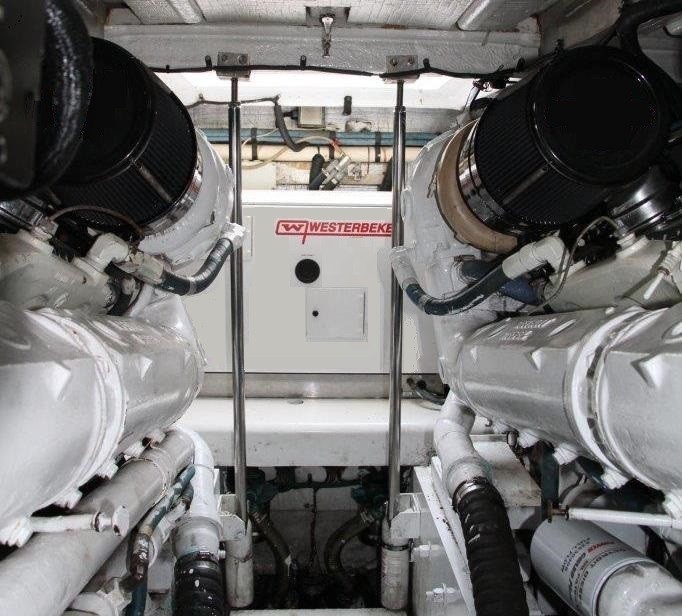
Westerbeke has built a loyal following among boat owners who value mechanical simplicity and straightforward maintenance.
Their generators are commonly found on sailboats, cruising yachts, and workboats where reliability and ease of servicing are priorities.
Best For
- Cruising sailboats
- Trawlers
- Coastal cruisers
- Workboats
Advantages
- Proven reliability
- Straightforward maintenance
- Good parts availability
- Long service history
Considerations
Some models may not offer the same level of sound insulation or digital integration found on newer premium generators.
Northern Lights Marine Generators
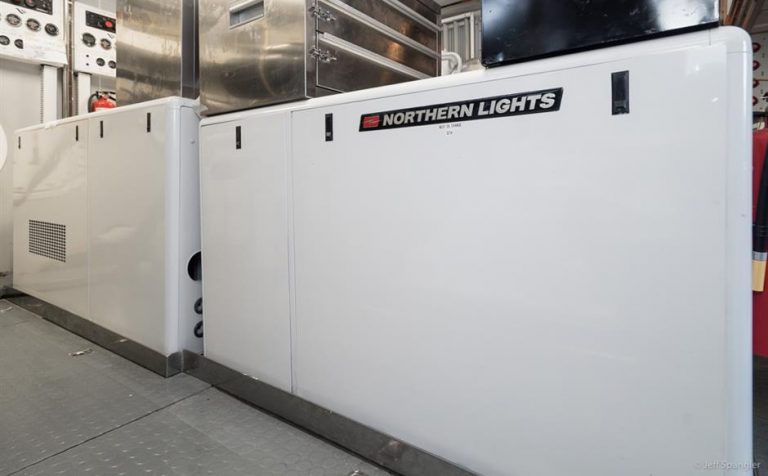
Northern Lights is widely respected in commercial marine operations for producing generators designed to withstand demanding duty cycles.
Many commercial captains choose Northern Lights because of their durability, fuel efficiency, and ability to operate continuously under heavy electrical loads.
Best For
- Commercial fishing vessels
- Offshore workboats
- Expedition yachts
- Passenger vessels
Advantages
- Exceptional durability
- Heavy-duty construction
- Excellent commercial reputation
- Long operating life
Considerations
These generators prioritize reliability over compact size, making them better suited to vessels with larger machinery spaces.
MASE Marine Generators
MASE has become increasingly popular among European boat owners seeking reliable, compact onboard power solutions.
The company offers a wide range of diesel and gasoline generators suitable for recreational vessels, sailing yachts, and motorboats.
Best For
- Recreational boats
- Sailing yachts
- Motor cruisers
Advantages
- Compact installation
- Quiet operation
- Good value
- Wide model selection
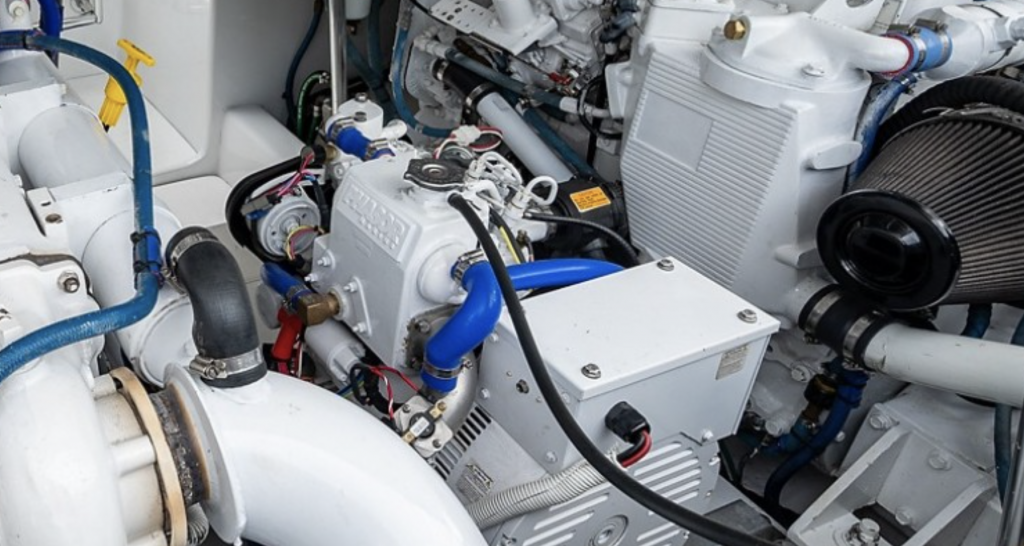
Paguro Marine Generators
Paguro generators are designed with comfort in mind. Their compact dimensions and low noise levels make them particularly attractive for smaller recreational vessels where available installation space is limited.
Best For
- Small cruisers
- Sailing yachts
- Weekend boats
Advantages
- Compact footprint
- Quiet operation
- Lightweight
- Efficient fuel consumption
Marine Generator Brand Comparison
| Brand | Best For | Reliability | Noise Level | Installation Space | Service Network |
|---|---|---|---|---|---|
| Cummins Onan | Luxury yachts & commercial vessels | ★★★★★ | ★★★★☆ | Medium | Excellent |
| Kohler | Cruising yachts & motorboats | ★★★★★ | ★★★★★ | Medium | Excellent |
| Fischer Panda | Sailboats & catamarans | ★★★★★ | ★★★★★ | Excellent | Very Good |
| Westerbeke | Cruising boats & trawlers | ★★★★☆ | ★★★☆☆ | Good | Very Good |
| Northern Lights | Commercial vessels | ★★★★★ | ★★★★☆ | Medium | Excellent |
| MASE | Recreational vessels | ★★★★☆ | ★★★★☆ | Good | Good |
| Paguro | Small yachts | ★★★★☆ | ★★★★★ | Excellent | Good |
Diesel vs. Gasoline Marine Generators
One of the first decisions you’ll need to make is whether a diesel or gasoline generator is the best fit for your vessel.
For most modern yachts and commercial vessels equipped with diesel propulsion engines, a diesel generator is the preferred option. It uses the same onboard fuel supply, offers excellent fuel economy, and is designed for long operating hours.
Gasoline generators remain a practical solution for many recreational boats already powered by gasoline engines, eliminating the need for a separate fuel system.
| Feature | Diesel Generator | Gasoline Generator |
|---|---|---|
| Fuel Economy | Excellent | Good |
| Operating Hours | Excellent | Moderate |
| Commercial Use | Excellent | Limited |
| Fuel Availability | Uses existing diesel supply | Uses gasoline supply |
| Long-Term Durability | Excellent | Good |
| Maintenance Costs | Moderate | Moderate |
For vessels spending significant time offshore or operating commercially, diesel generators generally provide the greatest long-term value.
1800 RPM vs. 3600 RPM Marine Generators
Another important consideration is engine speed.
Marine generators generally operate at either 1800 RPM or 3600 RPM (depending on the electrical frequency and alternator design).
1800 RPM Generators
These generators operate at lower engine speeds, resulting in reduced wear, quieter operation, and longer service life. They are commonly found on commercial vessels and larger yachts where the generator may operate for many hours each day.
3600 RPM Generators
Higher-speed generators are typically smaller, lighter, and less expensive. They are often selected for recreational boats where operating hours are relatively low and available installation space is limited.
| Feature | 1800 RPM | 3600 RPM |
|---|---|---|
| Engine Life | ★★★★★ | ★★★☆☆ |
| Noise Level | Lower | Higher |
| Fuel Efficiency | Better | Good |
| Initial Cost | Higher | Lower |
| Best Application | Commercial & Long-Distance Cruising | Weekend & Recreational Boating |
Which Marine Generator Is Right for Your Boat?
Every vessel has unique electrical requirements, operating conditions, and installation constraints. Rather than selecting a generator solely based on brand recognition, it’s more important to match the generator to your intended use.
| Vessel Type | Recommended Generator Style |
|---|---|
| Sailing Yacht | Compact, quiet generator such as Fischer Panda or Paguro |
| Sailing Catamaran | Compact diesel generator with excellent space efficiency |
| Motor Yacht | Cummins Onan or Kohler |
| Sportfishing Boat | Cummins Onan |
| Commercial Fishing Vessel | Northern Lights or Cummins Onan |
| Offshore Workboat | Northern Lights |
| Family Cruiser | Kohler or MASE |
At Generator Plus, we recommend evaluating your vessel’s electrical load, available installation space, cruising plans, and maintenance expectations before selecting a generator. Taking the time to choose the right system from the outset can improve reliability, reduce operating costs, and provide dependable onboard power for many years.
In the final part of this guide, we’ll look at the most common marine generator buying mistakes, essential maintenance practices, frequently asked questions, and our expert recommendations to help you make a confident purchasing decision.
Common Marine Generator Buying Mistakes
Purchasing a marine generator is a long-term investment, and avoiding a few common mistakes can save significant time, money, and frustration. While brand reputation is important, selecting the wrong generator for your vessel can lead to unnecessary maintenance, poor performance, and expensive modifications.
Here are some of the most common mistakes we see boat owners make.
Choosing a Generator Based Only on Price
It’s natural to compare prices, but the lowest-priced generator isn’t always the best value. Long-term ownership costs such as fuel consumption, maintenance, spare parts availability, and reliability often have a much greater impact than the initial purchase price.
Instead of asking, “Which generator is the cheapest?”, ask, “Which generator offers the best long-term value for my vessel?”
Buying the Wrong Generator Size
An undersized generator may overload when multiple appliances are operating simultaneously, while an oversized generator may spend most of its life running under light loads, reducing efficiency and potentially increasing maintenance requirements.
A proper electrical load assessment should always be completed before selecting a generator.
Ignoring Installation Requirements
Many buyers focus only on power output and overlook practical installation considerations such as:
- Engine room dimensions
- Ventilation
- Exhaust routing
- Cooling system requirements
- Electrical integration
- Service access
Even an excellent generator can become difficult and expensive to maintain if installed in a confined space with limited access.
Not Considering Future Electrical Loads
Your electrical requirements today may not be the same five years from now.
Many boat owners eventually install:
- Additional air conditioning
- Water makers
- Lithium battery systems
- Larger inverters
- Electric cooking appliances
- Stabilizers
Allowing reasonable expansion capacity can help avoid costly upgrades later.
Choosing a Brand Without Local Support
A generator is only as good as the support available when servicing or repairs are required.
Before purchasing, consider:
- Parts availability
- Service centres
- Warranty support
- Technical documentation
Leading manufacturers generally provide stronger long-term support networks, particularly for vessels travelling internationally.
Marine Generator Maintenance Tips
Routine maintenance is the key to maximizing generator performance and service life.
Although maintenance intervals vary between manufacturers, the following practices apply to most marine generators.
Perform Regular Oil & Filter Changes
Clean engine oil helps reduce wear, improve efficiency, and protect internal engine components. Always follow the maintenance schedule specified by the manufacturer.
Inspect the Cooling System
Marine generators depend on efficient cooling to maintain safe operating temperatures.
Regularly inspect:
- Raw water pump impellers
- Coolant levels
- Heat exchangers
- Hoses and clamps
- Sea strainers
Restricted cooling water flow is one of the most common causes of overheating.
Replace Fuel Filters
Contaminated fuel can reduce performance and damage injection components.
Replacing fuel filters at the recommended intervals helps maintain reliable operation and protects the fuel system.
Exercise Your Generator
Generators that sit unused for extended periods often develop more problems than those operated regularly.
Running the generator under an appropriate electrical load on a routine basis helps:
- Circulate lubricating oil
- Remove moisture
- Maintain seals
- Reduce carbon buildup
- Keep electrical components functioning correctly
Keep Maintenance Records
Maintaining accurate service records helps identify recurring issues, supports warranty claims where applicable, and can increase resale value when selling your vessel.
Frequently Asked Questions
Which marine generator brand is the most reliable?
Several manufacturers have earned excellent reputations for reliability, including Cummins Onan, Kohler, Fischer Panda, Northern Lights, and Westerbeke. The best choice depends on your vessel, operating hours, available installation space, and maintenance preferences rather than the brand name alone.
What size marine generator do I need?
The correct generator size depends on your vessel’s total electrical demand, not simply its length. A proper load assessment should consider both running and starting loads, as well as future electrical upgrades.
How long does a marine generator last?
A well-maintained diesel marine generator can often provide 15,000 to 30,000 operating hours or more, depending on operating conditions, maintenance practices, and the quality of installation.
Are diesel marine generators better than gasoline models?
For vessels equipped with diesel propulsion engines, diesel generators are generally preferred because they offer excellent fuel efficiency, long operating life, and use the existing onboard fuel supply. Gasoline generators remain a practical choice for many gasoline-powered recreational boats.
How often should a marine generator be serviced?
Service intervals vary between manufacturers, but routine maintenance typically includes oil and filter changes, cooling system inspections, fuel filter replacement, and general system checks. Always follow the maintenance schedule recommended by the manufacturer.
Can I install a marine generator myself?
Marine generators require careful integration with the vessel’s electrical, fuel, cooling, exhaust, and ventilation systems. Professional installation is generally recommended to help ensure safe operation, regulatory compliance, and reliable long-term performance.
Which marine generator is the quietest?
Noise levels vary between manufacturers and models. Sound-enclosed generators from brands such as Fischer Panda, Kohler, and Cummins Onan are widely recognised for their quiet operation. Proper installation and vibration isolation also play a significant role in reducing onboard noise.
What is the difference between 50Hz and 60Hz marine generators?
The correct frequency depends on your vessel’s electrical system and the region where the equipment will be used. Selecting the appropriate frequency ensures compatibility with onboard appliances and electrical equipment.
Why Choose Generator Plus?
Choosing the right marine generator is about more than comparing specifications—it’s about finding a solution that delivers reliable onboard power for years to come.
At Generator Plus, we work with yacht owners, commercial operators, marine engineers, and shipyards to help identify marine generator solutions that match each vessel’s operational requirements. Our product range includes premium generator brands trusted throughout the marine industry, supported by technical guidance, worldwide shipping, spare parts, and after-sales support.
Whether you’re replacing an aging generator, specifying equipment for a new build, or upgrading your vessel’s onboard electrical system, our team is available to help you compare options and make an informed decision.
Final Thoughts
The best marine generator isn’t necessarily the most powerful, the least expensive, or the most recognised brand. It’s the generator that best matches your vessel, electrical demand, cruising plans, and long-term ownership expectations.
By carefully considering factors such as generator size, fuel type, installation requirements, serviceability, and manufacturer support, you’ll be better positioned to choose a system that delivers dependable performance wherever your vessel operates.
If you’re still unsure which marine generator is right for your boat, speaking with an experienced supplier can save considerable time and help avoid costly mistakes.
The team at Generator Plus is available to help you compare leading marine generator brands, evaluate your vessel’s power requirements, and recommend a solution tailored to your application.
Ready to find the right marine generator?
Contact Generator Plus today to request a quotation or discuss your project with one of our marine power specialists.

Comment (1)
[…] Plus is a Germany-based supplier of premium marine generators for recreational and commercial vessels worldwide. We supply trusted generator brands, genuine […]